
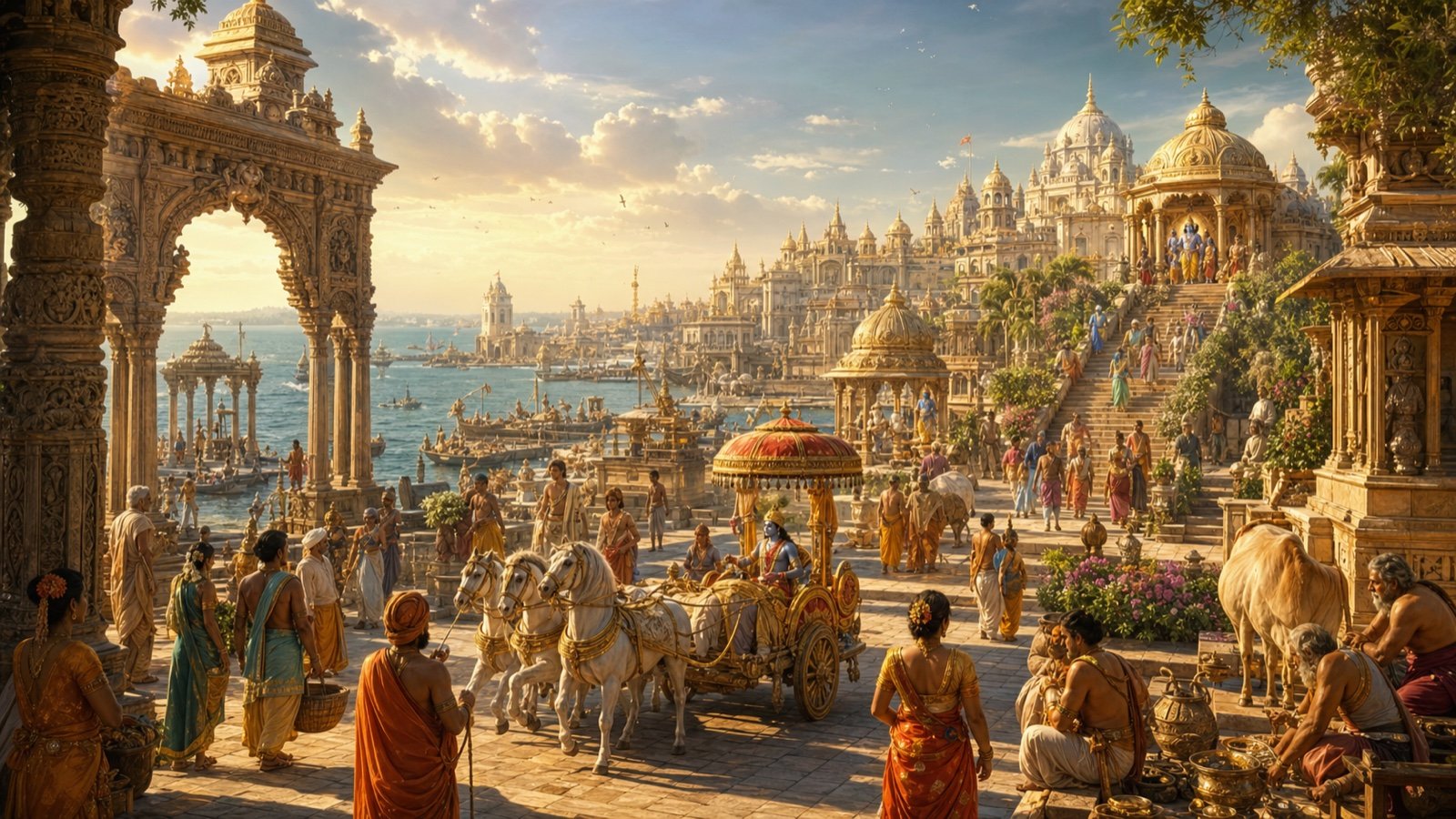
According to the Bhagavata Purana, Dwapara Yuga is the third of the four ages in Hindu cosmology, following Satyuga (the Age of Truth) and Treta Yuga. Dwapara Yuga is described as a transitional period characterized by significant changes in societal and spiritual dynamics. Here are some key aspects of Dwapara Yuga as per the Bhagavata Purana:
Moral and Spiritual Decline: Dwapara Yuga is marked by a gradual decline in righteousness and spiritual awareness compared to the previous ages. While some individuals still maintain virtuous qualities, there is an increasing prevalence of egoism, materialism, and a departure from spiritual values.
Deterioration of Social Structure: The social structure in Dwapara Yuga undergoes changes. The four varnas (Brahmanas, Kshatriyas, Vaishyas, and Shudras) continue to exist, but there is a blurring of their distinct roles and an increase in intermingling. Society becomes more heterogeneous, and occupational duties are not strictly adhered to.
Emergence of Disputes: With the decline in moral values, conflicts and disputes become more common. Ego-driven actions and selfishness lead to disagreements and challenges in maintaining harmony within society.
Material Progress and Technological Advancements: Dwapara Yuga witnesses advancements in various fields, including technology, science, and arts. Human beings acquire greater knowledge and expertise in different domains, resulting in material progress and innovation.
Increased Devotion to Deities: Despite the overall decline in spirituality, people still maintain a certain level of devotion to deities. Temples and religious rituals continue to be important, although their significance may be influenced by personal desires and material gains.
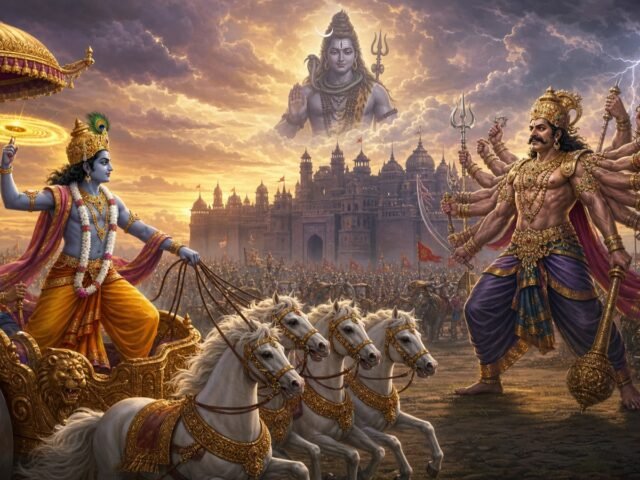
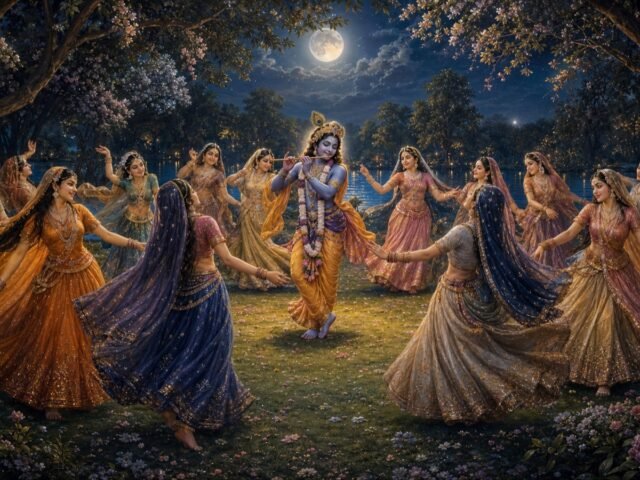
Avatars and Divine Incarnations: Dwapara Yuga is a significant period for the appearance of divine incarnations. Lord Krishna, an incarnation of Lord Vishnu, manifests during this age and plays a pivotal role in the epic Mahabharata and the delivery of profound spiritual teachings in the form of the Bhagavad Gita.
Spiritual Seekers and Disciples: While the overall spiritual consciousness declines, there are still individuals who actively seek spiritual knowledge and engage in spiritual practices. Enlightened masters and gurus emerge, guiding sincere seekers on the path of self-realization and liberation.
Intellectual Debates and Philosophical Discussions: Dwapara Yuga is characterized by intellectual debates, philosophical discussions, and the exchange of diverse ideas. Scholars and thinkers engage in intellectual pursuits, exploring various schools of thought and ideologies.
It’s important to note that Dwapara Yuga represents a period of transition between the more virtuous and spiritually elevated ages of Satyuga and Treta Yuga, and the subsequent decline in Kali Yuga. While there is a decline in moral values and spiritual awareness, Dwapara Yuga still holds opportunities for personal growth and spiritual evolution for those who sincerely seek the truth.